
A world that never stops growing.
We build games, servers, robots and the hardware tooling that supports them. Every engine, every machine and every catalogue is written in-house, from first principle.
Every message answered within 3 to 5 business days

Five projects, one world
A loom for the parts that have to interlock and a forge for the parts that have to be made from raw. Each project is a layer of the same growing world, and each one carries its real status rather than a marketing one.

Robotics Fleet
Machines that see, hear and reason, entirely offline. No cloud, no accounts, no eavesdropping.
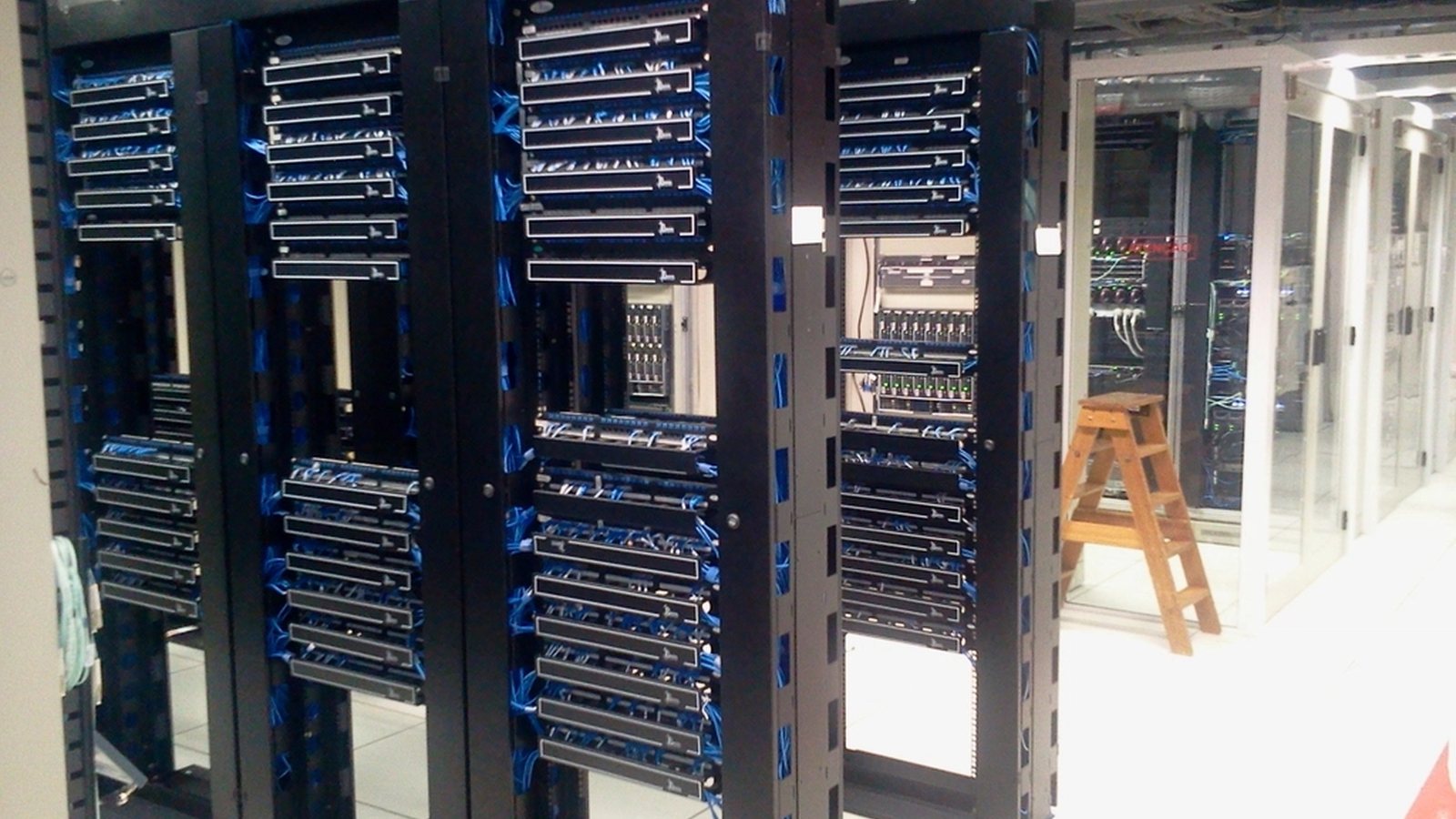
Dust MC
A Minecraft Java Edition server written from scratch in Rust. No fork, no vendored code.
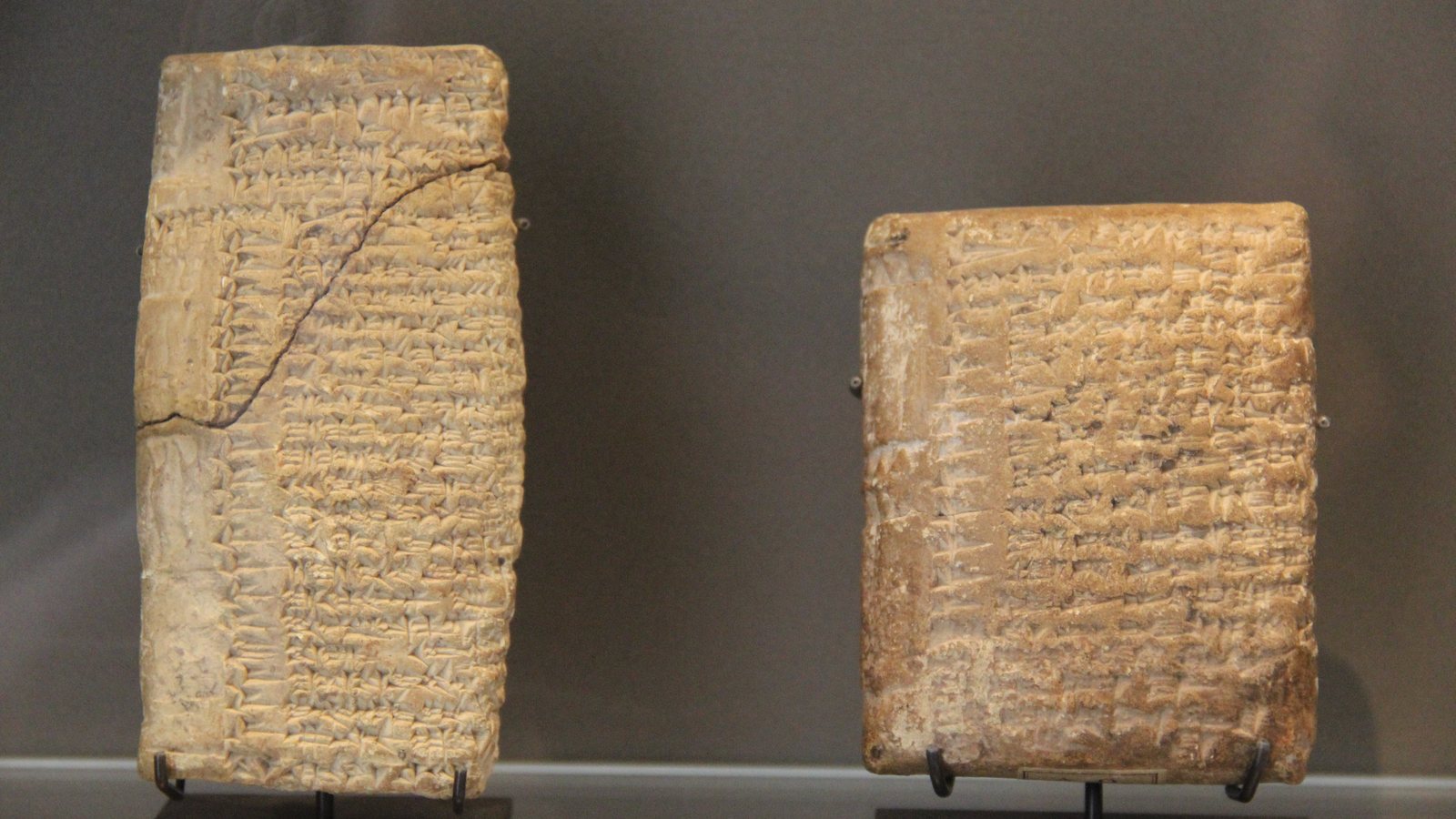
Return of the Runes
Describe what you want to make and the runes answer. A finite named set on an open-ended scorer.
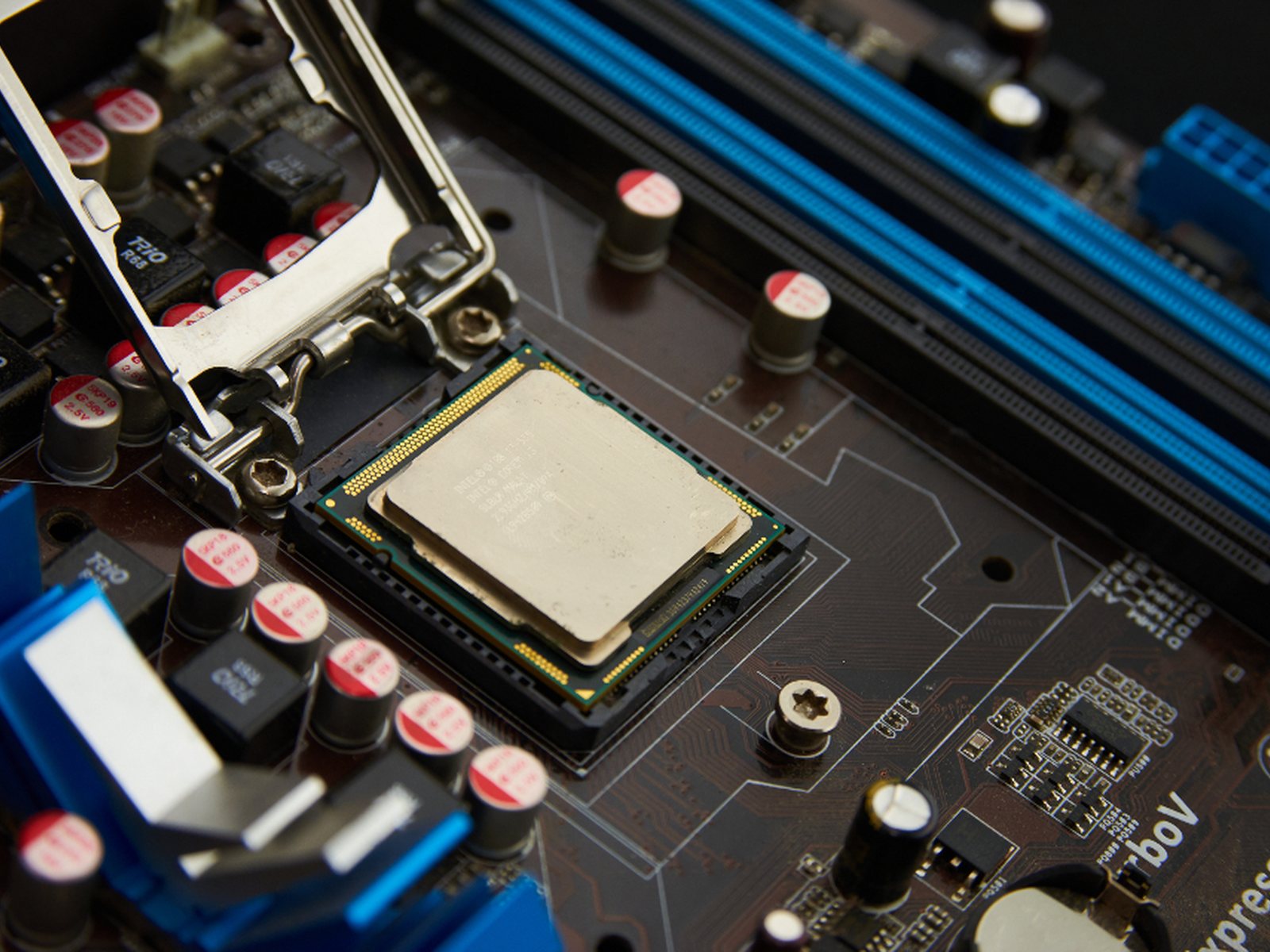
Forge Part Picker
36,217 models across 21 categories, 1985 to 2027, with live prices and rule-based compatibility.

Projected Display
A projector and a depth camera turn a bare wall or desk into a touch surface, with no panel.
Forty years of hardware, one build sheet
36,217 models across 21 categories, from 1985 to 2027. Processors and motherboards through optics, rack power, uninterruptible supplies and tape. Live merchant prices, and compatibility checked by rule.
Nothing in the data path guesses. Listings bind to catalogue parts through a scorer built from stated rules, and every match records the reasons that produced it.
- Models
- 36,217 across 21 categories
- Coverage
- Consumer and server, 1985 to 2027
- Matching
- Deterministic, with recorded reasons
The decisions worth writing down
Three engineering choices that shaped what got built, including the reasoning that would have made each one look like a mistake.

Owning the generator
Why Dust MC was written from scratch instead of forking a working Rust server.

The planet is a seed
An Earth-sized, fully mineable world that fits on one drive, because none of it is stored.
A compromised server cannot invent orders
How the robot fleet splits deciding what to do from deciding whether it is allowed.
Built end to end, or recorded as unbuilt
A component that nothing calls in production is not finished, it is decoration. The build register tracks 191 rows: 154 are bound to real behaviour, 34 are waiting on hardware that has not arrived, and three are deliberately unbuilt. None of them is outstanding because nobody got to it.
The same honesty applies outward. Return of the Runes compiles but has never been runtime-playtested, so we call it pre-alpha. The projected display is a design with nothing built, so we call it a concept.
More about the studioQuestions we get asked
What does Loom Forge Studios actually make?
Five things, and they share a world. A fleet of offline robots, a Minecraft Java Edition server written from scratch in Rust, an intent-driven crafting MMO, a hardware catalogue and build planner covering 1985 to 2027, and a projected touch-surface research direction.
The engines, the tooling and the hardware designs are all in-house. That is the point of the name: a loom for the parts that have to interlock and a forge for the parts that have to be made from raw.
Is any of it playable or usable today?
The Part Picker is live and the catalogue is complete. Dust MC is public on GitHub and you can read and build it, but it does not yet accept a player connection. Return of the Runes compiles but has never been runtime-playtested, so there is nothing we could hand you that would run.
We would rather tell you that than ship a trailer that implies otherwise.
Why write a Minecraft server from scratch instead of forking one?
Because worldgen is the one subsystem a server cannot afford to inherit. A generation defect is latent in every chunk already written to disk, so fixing it later does not repair the world it already made.
The decision was re-examined once licensing stopped being an obstacle, and it survived. It costs three to four years and buys full ownership.
Do the robots send anything to a cloud service?
No. The main model has no network namespace at all, which means there is no setting that could be misconfigured to restore one. There are no accounts and nothing phones home.
Where outside information is genuinely needed, it comes in through a separate machine on a physically one-way link, so nothing routes back out.
Is there a language model anywhere in the Part Picker's data path?
No, and that is deliberate. Merchant listings bind to catalogue parts through a scorer built from stated rules, and every match records the reasons that produced it.
A matcher that is 95 percent right puts a wrong price on one part in twenty, and nothing downstream can tell you which one. Rules can be read, argued with and corrected. That matters more here than cleverness.
Tell us what you are building
Whether it is a question about Dust MC, a hardware build you want a second opinion on, or something you want made, the form goes straight to the studio.
Answered within 3 to 5 business days